
Top 5 Misconceptions about the Pelvis and Pelvic Physical Therapy
Pelvic PT is not what you think!

There are many false ideas out there about Pelvic Physical Therapy. These ideas get perpetuated, because society tells us that our private parts are something to be ignored, hidden, and are considered “not suitable” for dinner conversation. Maybe the second part is true for some people who are not pelvic PTs :).
The best thing we can do is start a dialogue about our bodies with people we trust, to normalize the conversation about pelvic health and sexual health. For a first step, it is important to become comfortable with your own private parts and to know what the anatomical configuration is. Get a mirror and check it out. All bodies are different and beautiful. Your body is different and beautiful!
1. When it comes to a penis, it is on the front of the pelvis and is visible if someone is naked. For people born with a vulva and vaginal canal, the vulva is a bit hidden and unseen due to its location. This leads to misconceptions about what a vulva “should” look like. The truth is that all vulvas are different. Some vulvas have small labia (lips), and some have large labia. Some are light, and some are dark. All are natural. There is no normal.

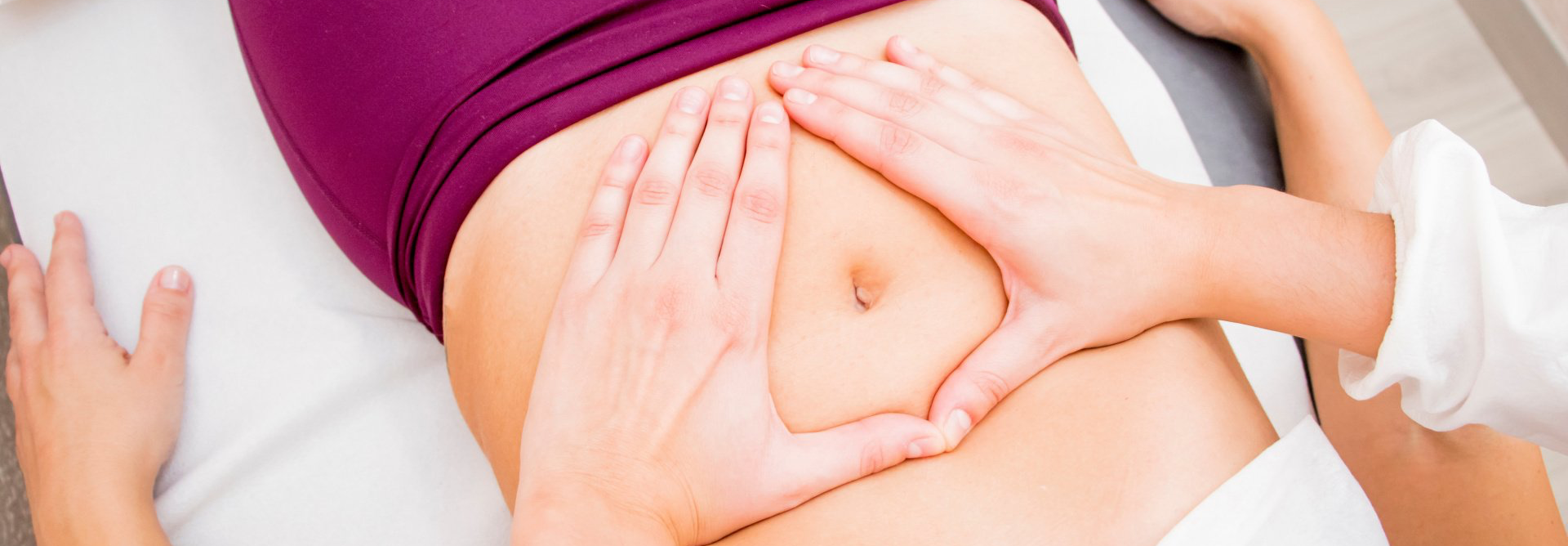
2. Pelvic Physical Therapy is for ALL people, including men, women, transgender, and non-binary people, not just postpartum women. Some think that the only time a person would need Pelvic PT is after giving birth. While that is an excellent time to come in for Pelvic PT, it is also beneficial to come in before pregnancy, and during pregnancy with MD approval. Pelvic PT is beneficial for men too! It’s worth saying that more than once! Yes, men benefit from Pelvic PT for things such as erectile dysfunction, painful urination, frequent & involuntary urination, painful ejaculation, constipation, pelvic pain, or pain after having a bowel movement. Many of these issues are also experienced by women, non-binary and transgender folks. Well-functioning pelvic floor muscles are important for everyone!
3. Who has pelvic floor muscles and what do the pelvic floor muscles do? ALL people have pelvic floor muscles. Some think only women have pelvic floor muscles or that pelvic floor muscles are for only urinating and defecating. Not true. Pelvic floor muscles have five main functions:
a. Stability – supporting pelvis and low back
b. Supporting internal organs – in women, bladder, uterus/ovaries, bowel – in men, bladder and bowel
c. Maintaining continence in bowel and bladder – to prevent leaking
d. Circulation – for blood and lymph
e. Sexual function – contract and relax during orgasm
4. All I need to do is Kegels. Nope. Many more people have overactive pelvic floor muscles than underactive pelvic floor muscles. That means if you are doing Kegels with an overactive pelvic floor, it will likely make symptoms worse. Down training the pelvic floor muscles is required more often than not. This issue is only one of the reasons why it is so important to see a pelvic floor PT.
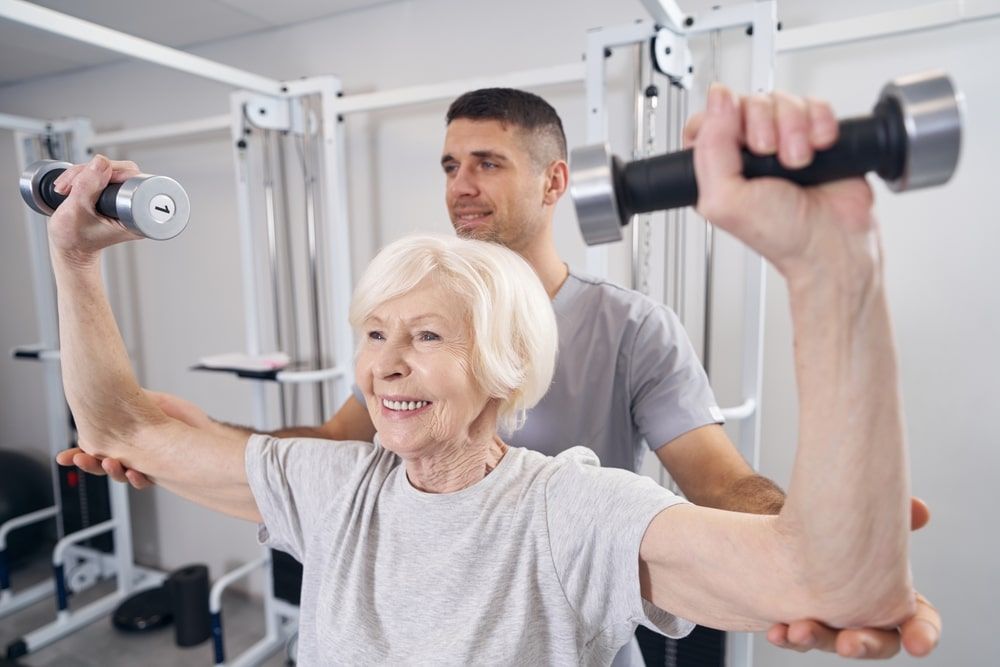
5. Leaking urine after a certain age is normal. It is definitely not normal, and pelvic PT can help. Call The Healing Collective today and set up a free 15 minute consult to get started on your journey to health today!